Felix Patterson · 21 September 2026
Grant Funding Enables Fircrest Library to Digitize Records for Historical Society Exhibit
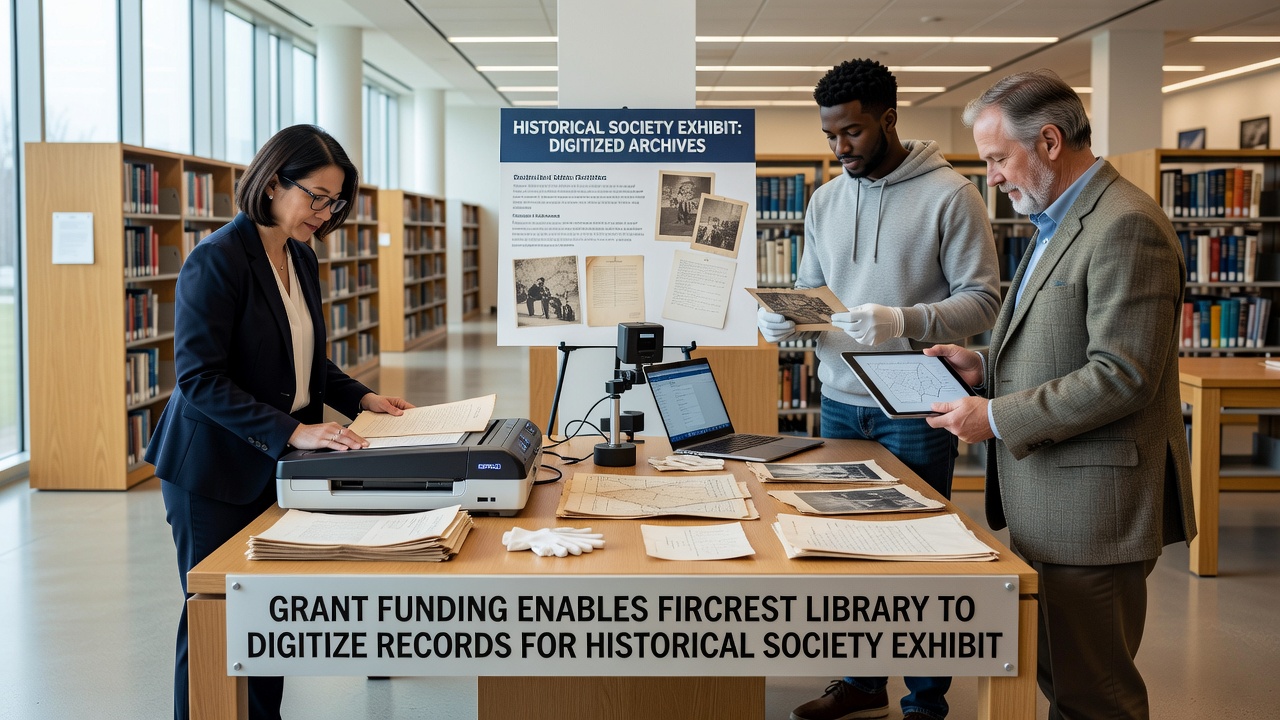
The Fircrest Library has obtained grant funding that supports the digitization of archival records while the local historical society prepares an exhibit scheduled to open in September 2026, and this collaboration draws on established preservation practices that researchers have documented across multiple institutions. City officials announced the award last month, noting that the funds cover equipment purchases, staff training, and software licenses required for high-resolution scanning of fragile materials held in both the library and society collections. Observers note that such grants often arrive through competitive processes administered by state and federal agencies, which evaluate proposals based on accessibility goals and long-term storage standards.
Project Background and Funding Sources
Records targeted for conversion include city council minutes from the early twentieth century, property deeds, photographs of neighborhood development, and oral history transcripts collected over decades, while the historical society maintains additional ledgers and maps that complement the library holdings. The grant originates from a program focused on cultural heritage preservation, and administrators allocated resources after reviewing applications that demonstrated clear public access outcomes. Data from similar initiatives shows that digitization reduces physical handling of originals, thereby extending their usable lifespan according to guidelines published by the Library of Congress.
Digitization Process and Technical Steps
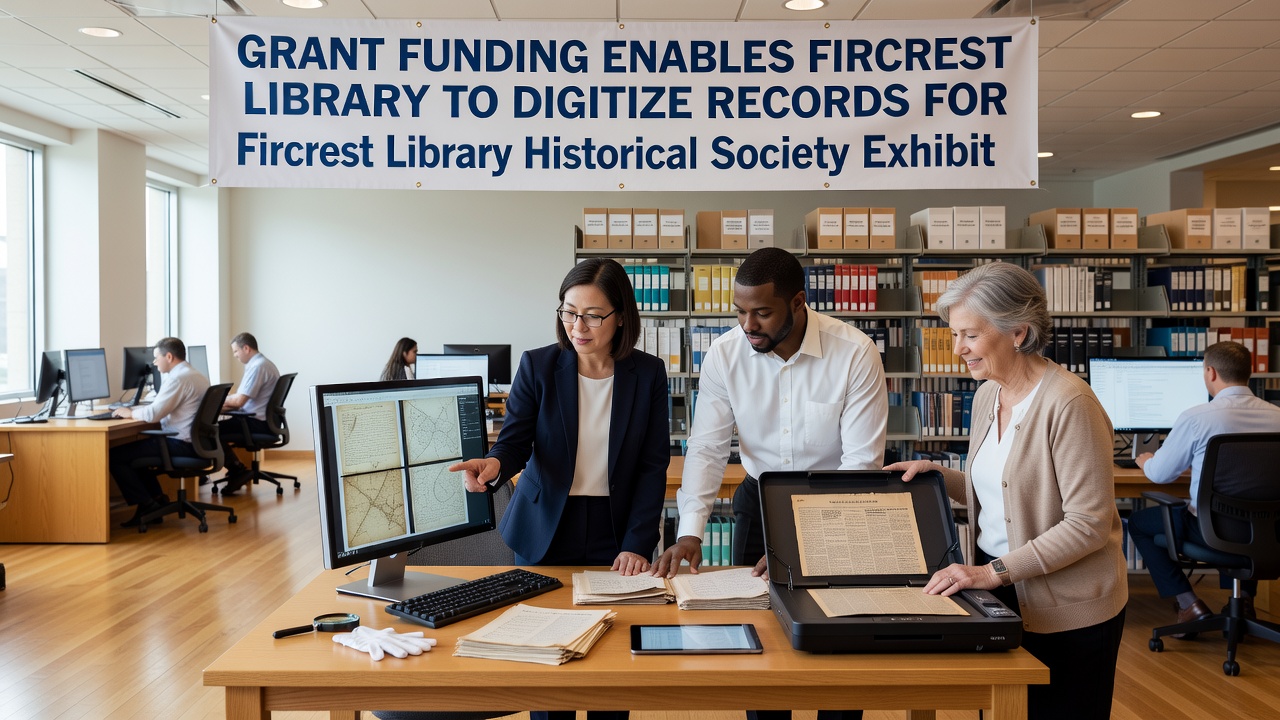
Staff members began by creating an inventory of items, then prioritized documents based on condition and research demand, after which they selected scanners capable of handling oversized maps without damage. Software chosen for the project supports optical character recognition that converts printed text into searchable formats, and training sessions scheduled through next quarter will ensure consistent metadata entry for each file. Those who have managed comparable efforts point out that quality control checks occur at multiple stages to catch errors before files move into the permanent digital repository.
Partnership with the Historical Society
The historical society contributes curatorial expertise for the upcoming exhibit, selecting themes that trace Fircrest's evolution from its founding through recent decades, while library personnel handle the technical conversion and online hosting. Joint meetings occur monthly to align digitization priorities with exhibit timelines, and shared storage protocols allow both organizations to access files securely. Figures from comparable regional projects reveal that such partnerships increase visitor engagement by combining archival depth with narrative presentation.
Exhibit Plans for September 2026
The exhibit will occupy the library's main community room and feature interactive kiosks where visitors can search digitized records, and additional displays will highlight selected photographs alongside explanatory panels prepared by society volunteers. Planning documents indicate that opening events in September 2026 will include public demonstrations of the new digital archive, along with talks from longtime residents whose stories appear in the oral history collection. Access remains free during regular library hours, and remote users will view materials through an online portal developed as part of the grant deliverables.
Community Access and Long-Term Outcomes
Once complete, the digitized collection becomes available through the library catalog and a dedicated website, which removes geographic barriers for researchers studying local history from other locations. The library also plans workshops that teach basic search techniques and citation methods, and these sessions target students as well as genealogists who frequently request access to primary sources. Reports from the National Library of Australia on similar heritage digitization efforts indicate measurable increases in public use of archival materials following online release.
Conclusion
Grant funding has positioned the Fircrest Library and historical society to expand public access to primary records through systematic digitization ahead of the September 2026 exhibit, and ongoing collaboration between the two organizations ensures that both technical standards and interpretive content receive equal attention. The resulting digital archive will support future research while preserving physical originals for generations that follow.