Xander Weber · 19 October 2026
Fircrest Volunteers Tackle Beach Cleanup While Health Officials Track Regional Air Quality
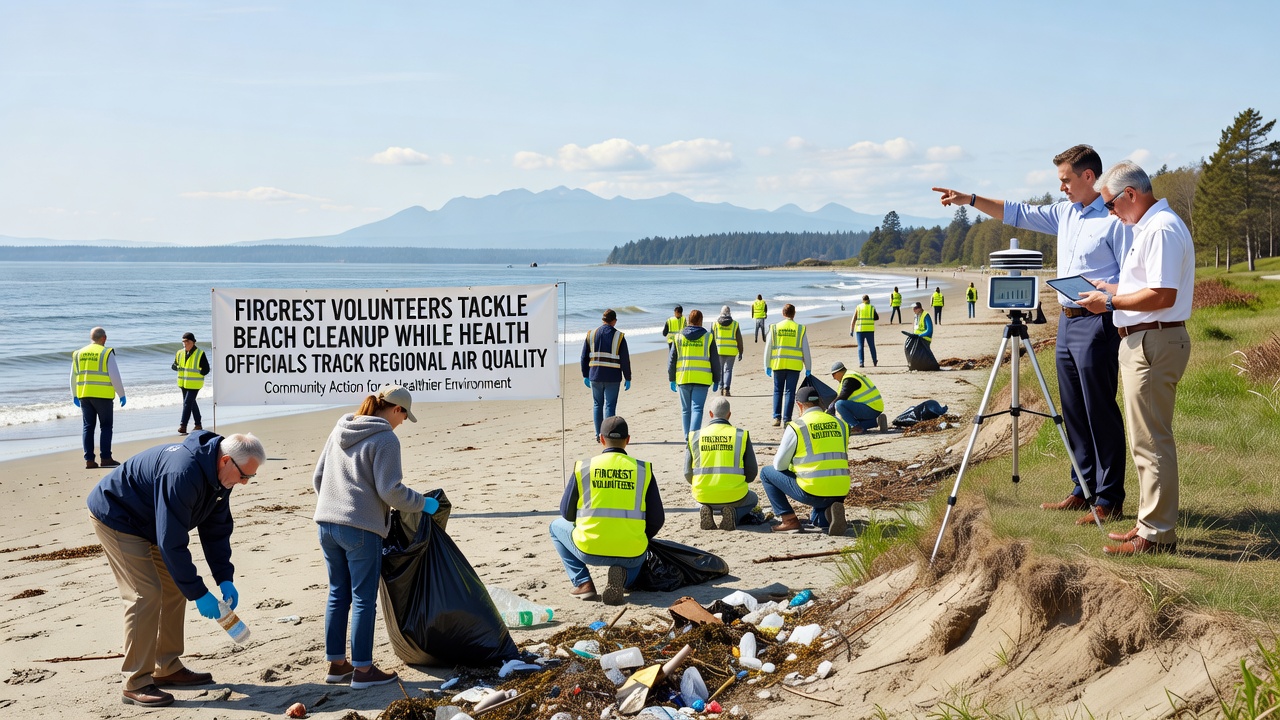
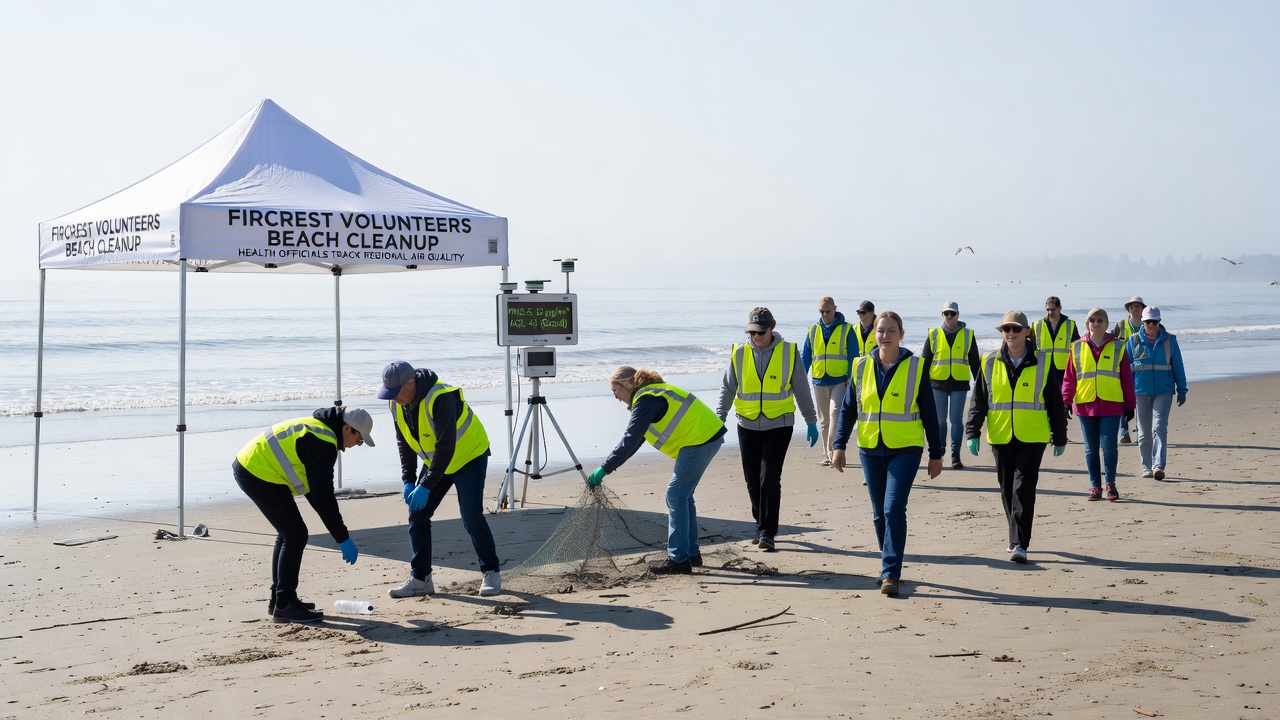
Volunteers from Fircrest organized a large-scale beach cleanup effort that coincided with ongoing regional air quality monitoring by health officials in October 2026, and the combined activities highlighted local responses to environmental conditions. Participants gathered at designated access points early in the morning, equipped with gloves, bags, and collection tools to remove accumulated debris from the shoreline. Organizers coordinated with local groups to cover multiple sections of the coast, focusing on plastics, glass fragments, and other materials that had washed ashore over recent months.
Scope of the Cleanup Operations
Teams divided the beach into zones to ensure thorough coverage, and they documented the types and quantities of waste collected throughout the day. Data from similar past efforts shows that such cleanups often remove several hundred pounds of material per event, with common items including bottles, fishing gear, and packaging remnants. In this instance, volunteers filled dozens of large sacks while noting specific hotspots near tidal lines where debris tended to concentrate. Local records indicate these initiatives have taken place regularly since the early 2010s, supported by community networks that track participation rates and outcomes.
Health officials simultaneously monitored air quality across the broader region using a network of sensors that measure particulate levels and pollutant concentrations. These readings, updated hourly, provide baseline information for any advisories issued to residents and visitors. During the October 2026 period, the monitoring stations recorded values within established ranges for most days, though occasional spikes prompted temporary recommendations for sensitive groups to limit outdoor activities.
Integration of Environmental Monitoring
The timing of the cleanup aligned with these tracking efforts because organizers consulted air quality forecasts before finalizing the schedule. When indices remained stable, groups proceeded with full participation, whereas elevated readings in prior years had led to adjusted start times or reduced volunteer numbers. This approach draws on established practices where community events incorporate real-time environmental data to maintain safety standards. Figures from regional reports reveal that coordination between volunteer coordinators and health departments has increased since 2020, resulting in fewer disruptions to planned activities.
Researchers at nearby institutions have examined how beach cleanups contribute to broader ecosystem indicators, including reduced microplastic presence that can indirectly affect atmospheric conditions through sediment interactions. One study from a Pacific Northwest university found measurable decreases in certain shoreline pollutants following repeated volunteer events, though direct links to air metrics require additional long-term analysis. Health department summaries for October 2026 noted steady compliance with federal guidelines from the Environmental Protection Agency, while cross-referencing data shared through international exchanges with agencies such as Environment and Climate Change Canada to refine regional models.
Community Participation and Data Trends
Attendance at the Fircrest event reached several hundred individuals, including families, school groups, and corporate teams that signed up through established registration channels. Coordinators supplied educational materials on waste identification and proper disposal methods, encouraging participants to separate recyclables from general refuse on site. Post-event tallies showed a high recovery rate for metals and certain plastics, which were routed to approved processing facilities. Observers note that repeat volunteers often develop expertise in recognizing seasonal patterns of debris accumulation tied to weather systems and ocean currents.
Air quality tracking during the same timeframe incorporated satellite imagery alongside ground sensors to capture regional variations. Officials compiled weekly summaries that compared October 2026 readings against multi-year averages, revealing consistent performance in coastal zones despite occasional wildfire influences from distant sources. These reports feed into public dashboards where residents can view trends and historical comparisons without needing specialized equipment.
Longer-Term Environmental Context
Over successive years, Fircrest has maintained records of both cleanup volumes and air quality indices that demonstrate gradual improvements in certain measurable categories. For instance, reductions in visible litter correlate with sustained volunteer involvement, while air monitoring data reflects influences from transportation, industry, and natural events across the Pacific Northwest. Experts from academic centers emphasize the value of localized datasets that complement larger national repositories, allowing for targeted interventions when thresholds approach defined limits.
Training sessions held before the October 2026 cleanup covered safety protocols that accounted for potential air quality fluctuations, including hydration guidelines and shaded rest areas. Such preparations reflect standard operating procedures developed through collaboration between municipal staff and state environmental agencies. Participants reported completing their assigned sections efficiently, with final tallies submitted to a central database for inclusion in annual environmental summaries.
Conclusion
The October 2026 activities in Fircrest illustrate how volunteer-driven cleanups and official air quality tracking operate in parallel within the same timeframe. Collected data from both efforts contributes to ongoing assessments of coastal and atmospheric conditions, supporting informed planning for future events. Regional reports continue to aggregate these inputs alongside contributions from other communities, forming a comprehensive view of environmental management practices along the shoreline.